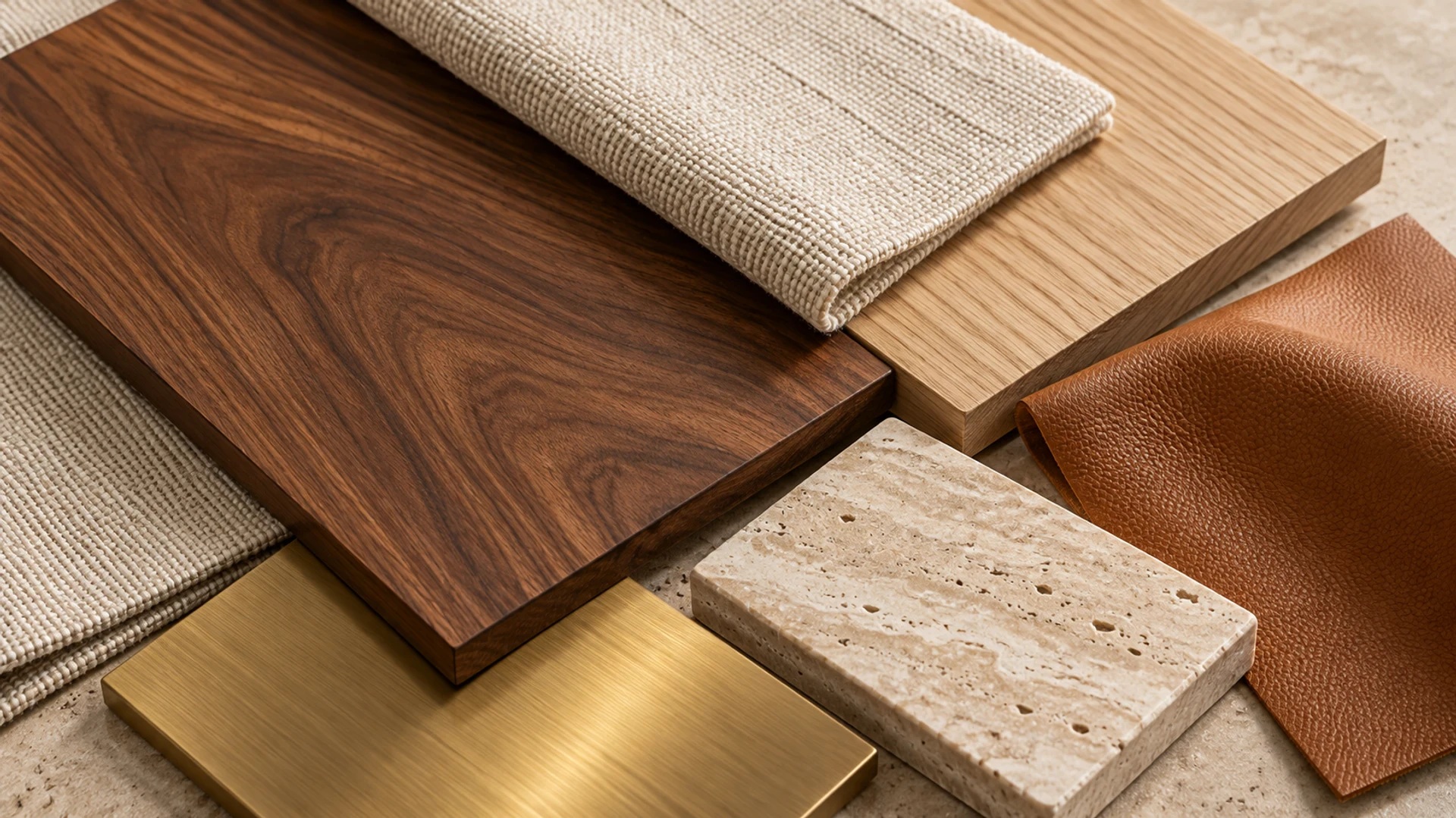
Start with the item reference and the change you need: size, layout, upholstery or finish. Feasibility, drawing work, samples and any additional charges must be confirmed for that piece. Use the approval sequence below to record what is agreed before an order is released.
Our Process and Project Planning
01 / Build the item schedule
Give each piece an item code, quantity and room reference. Mark requested changes separately from the supplier-listed configuration, with dimensions and units. Include the destination, target installation date and access restrictions. The first review should establish what is feasible, what needs a drawing or sample, and which requirements remain unresolved.
02 / Compare the same scope
Check construction, materials, included components and exclusions before comparing unit prices. Ask for currency, minimum quantities, sampling/tooling charges, payment terms, the named delivery rule and quotation validity. Keep proposed alternatives separate so a lower total does not hide a different specification.
03 / Review the drawings
Check overall dimensions, usable clearances, connections, fixing points and hardware. Mark the selected configuration and revision. A photo or rendering can explain appearance, but it does not replace the drawing needed to resolve assembly and fit with the room.
04 / Approve labeled samples
Ask which finish samples, fabric cuttings, prototypes or mock-ups are available for the selected item, with their charges and delivery arrangements. Record the substrate, finish, grain direction and upholstery reference on each approved sample. Keep the control reference with the item schedule. Where performance evidence is needed, check the tested material and assembly separately from color approval.
05 / Resolve the first item before repetition
Decide whether a prototype, mock-up or first production article is appropriate. Agree what will be checked, who signs off and how changes affect the remaining quantity. Scope any safety, durability or regulatory testing separately; an attractive sample does not establish those results.
06 / Release a complete revision
Reconcile the signed quotation, item schedule, approved drawings and samples. Assign approval deadlines, inspection checkpoints and responsibility for substitutions. Confirm the production plan with the responsible supplier rather than assuming a standard duration or unverified factory capacity.
07 / Prepare dispatch and receipt
Approve the packing method, carton marks and component labels for the route. Obtain packed dimensions, gross weights and the packing list. Agree on transport/import responsibilities, installation scope and the reporting procedure if cartons or items arrive damaged.
FURNITURE BUYING QUESTIONS
Questions before you specify
Brief answers point to the detailed checks, source boundaries and next step for your furniture request.
Can I request a different size, upholstery or finish?+
Send the item reference and identify each requested change. The proposed construction, material and dimensions need a model-specific feasibility review before the configuration, price or delivery date is accepted.
Prepare the custom furniture brief →
Can I approve a sample before ordering the full quantity?+
Request the appropriate finish sample, fabric cutting, prototype or mock-up for the item. Availability, charges and delivery arrangements need confirmation. Keep the approved sample identifier with the drawing revision; appearance approval and performance review are separate decisions.
Review sample and drawing approvals →